ORHAN ONUK
BACKSTORY
I’m always looking for an excuse to visit new places in Turkey, so when artist Orhan Onuk invited me to visit his Van studio, I immediately replied, ‘I’m coming!’
For four days, I was treated to Kurdish hospitality by Orhan and his friends in this historic city on Turkey’s Iran border. In addition to spending time in Orhan’s studio, two other experiences stand out—a visit to a 10th-century Armenian church on Lake Van’s Akdemar Island; and being an impromptu model for Orhan’s portrait class at Van Yüzüncü Yil University.
DEPICTING HUMANITY’S HEPLESSNESS
WLM=Walter L Meyer
OO=Orhan Onuk
WLM Orhan, can you talk a little about your childhood and its impact on your artwork?
OO My colorful yet challenging childhood growing up in a small village as part of a large economically-challenged family instilled traditional values in me. Village elders told legends and myths that became cornerstones of my art.
WLM I understand there may have been a specific event that cemented your decision to become an artist.
OO Yes! During my high school years, I saw a work by Turkish painter Burhan Doğançay in a newspaper clipping. I was so impressed that I decided to become a painter that very day.
WLM When did your academic art education begin?
OO Although my family was not formally educated, they supported my getting an education. In 2010, I entered the Painting Department at Istanbul’s prestigious Mimar Sinan Fine Arts University. There I was fortunate to join the studios of Prof. Dr. Necdet Sekvan and Dr. Ahmet Umur Deniz. These prominent figurative painters played a major role in my development. I was heavily influenced by Abstract Expressionism
WLM Are there any other famous artists who inspired your artistic journey?
OO Actually, there are many, Turkish and foreign masters—Pablo Picasso, Alberto Giacometti, Le Corbusier, Alberto Burri, Gerhard Richter, Vincent van Gogh, Francis Bacon, and Chris Ofili. But one in particular is very important to me: Şenol Yorozlu.
WLM Are there any artists from the distant past who also may have played a role?
OO Of course. Mehmet Siyah Qalem (Mehmet Black Pen), a late 14th-century artist of Turkic origin whose paintings often focused on Shamanism. And Al-Jazari, a 12th-century Turkish scientist/inventor known as ‘Wonder of the Age.’
WLM When we met in the fall of 2022 in Van, you were teaching at Van Yüzüncü Yil University. I even wound up modeling for your portrait class one day!
OO Yes, for two years I was a visiting academic there. Now I work independently.
WLM OK, now let’s get into something of personal interest to me—your painting titled Vav hanging in my living room. What’s the story behind its name?
OO The Arabic letter vav is the foundation of this painting. Vav represents the unity of God. In Sufism, it’s one of the most deeply meaningful symbols. For me, it also symbolizes the helplessness of man before the Creator. The fetus in its mother’s womb is vav’s pictorial representation.
WLM What were some of the other sources of inspiration for this painting?
OO Well, in general, the interior decoration of Ottoman mosques, and Islamic aesthetics. More specifically, the hunting drawings tell the story of humankind’s weakness in the face of nature, and come from primitive cave paintings I saw in art history books and Internet sources. The fetus was informed by Leonardo da Vinci’s anatomical drawings. And I added pseudo-Arabic calligraphy for a subtle aesthetic touch. I hasten to mention that the dry pastel gilding in the background is a reference to Byzantine icons of Jesus and Mary.
WLM How do you see the role of art in today’s world?
OO Art is not created merely to decorate homes. It is a powerful visual language and a medium for conveying messages.
WLM Do you have some final thoughts to share about your life as an artist?
OO For many years now, there hasn’t been a single day where I didn’t draw or paint. If I were born again, I would still choose to be a painter!
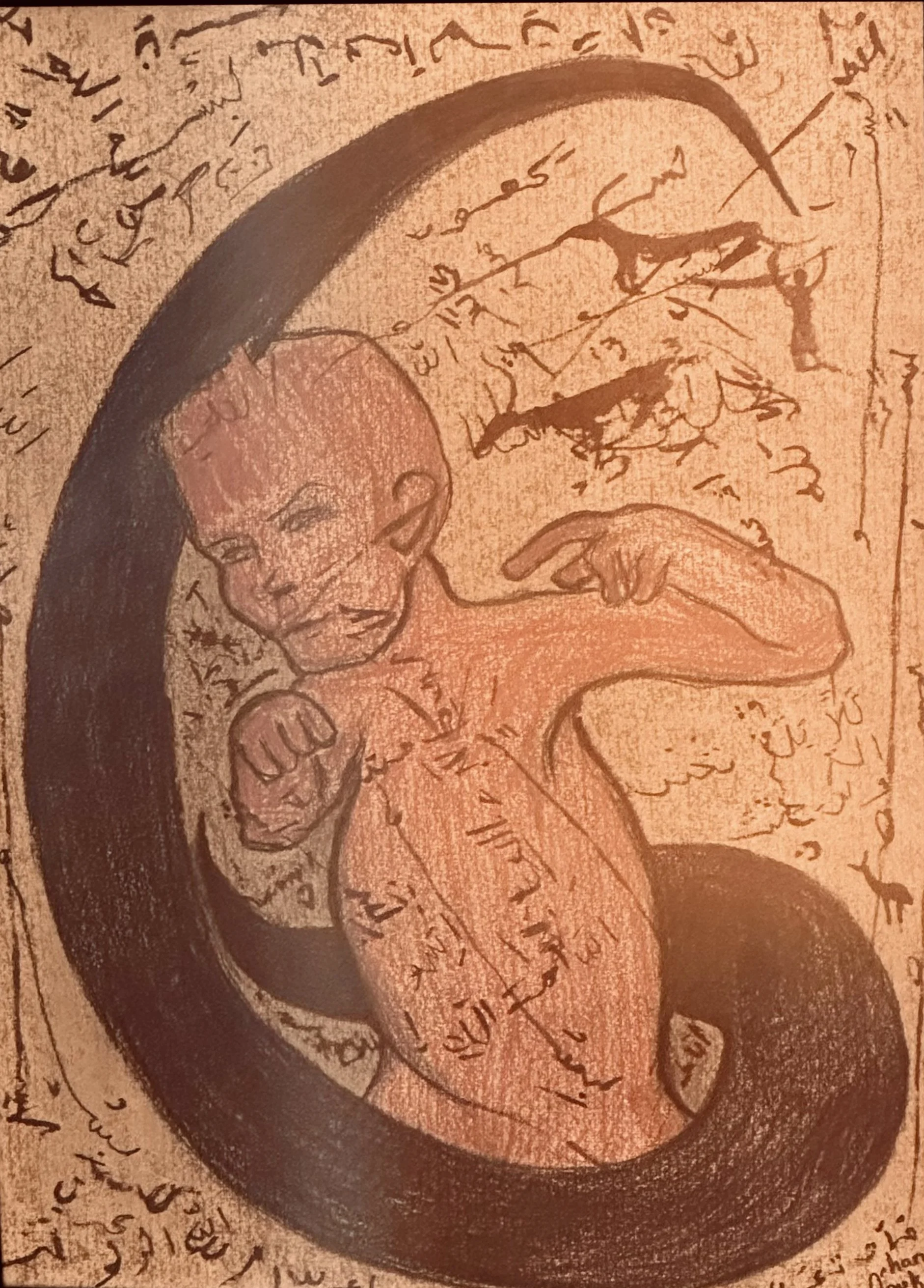
VAV
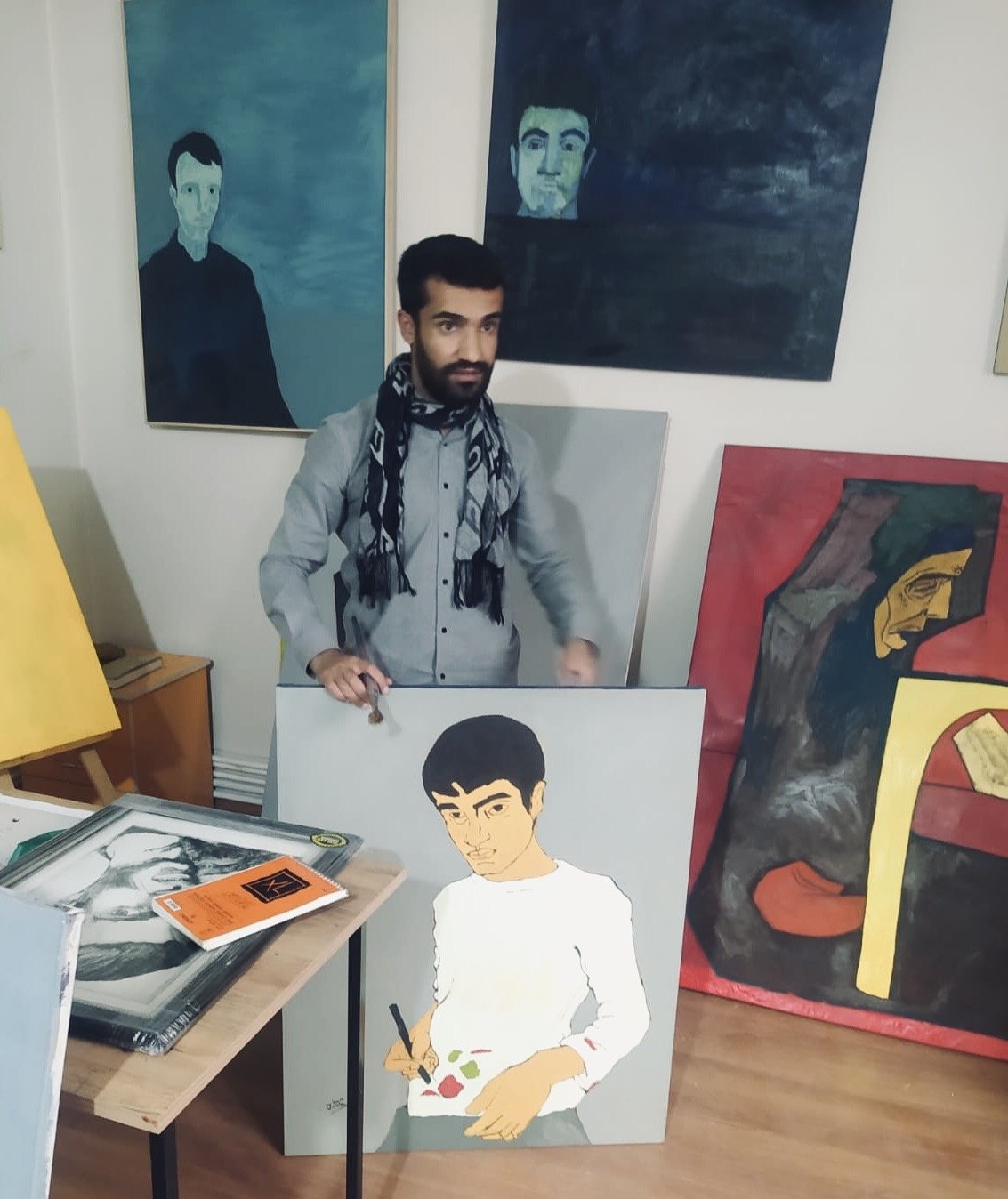
Orhan Onuk, Van, Turkey
art is not created merely to decorate homes
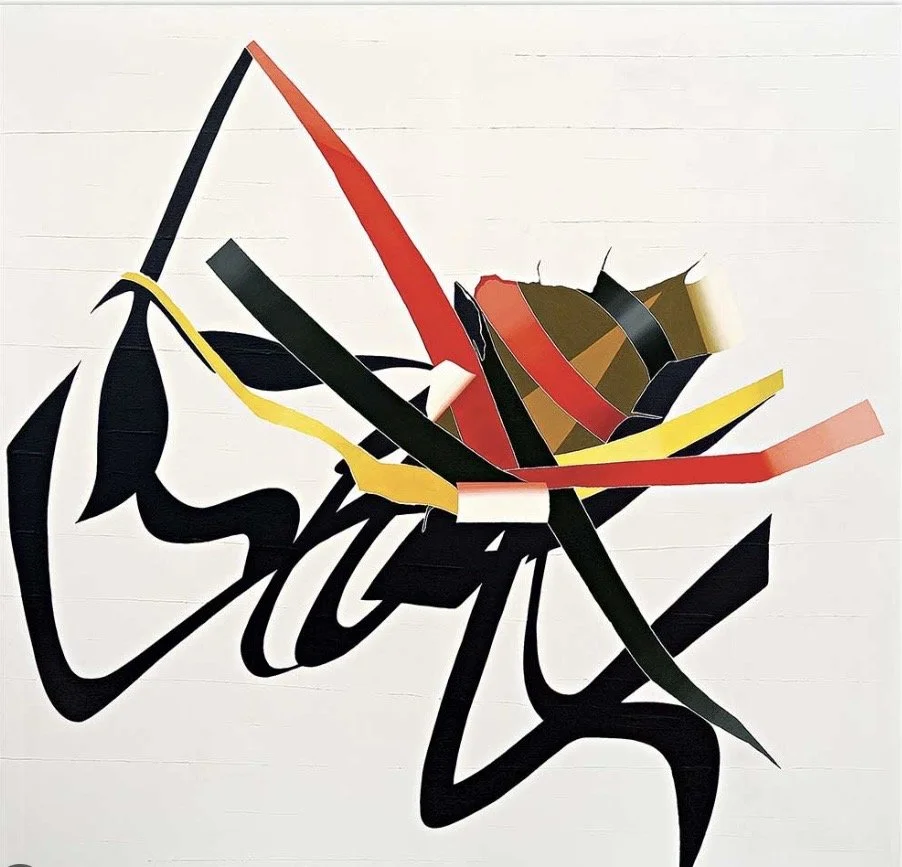
Artwork, Burhan Doğançay
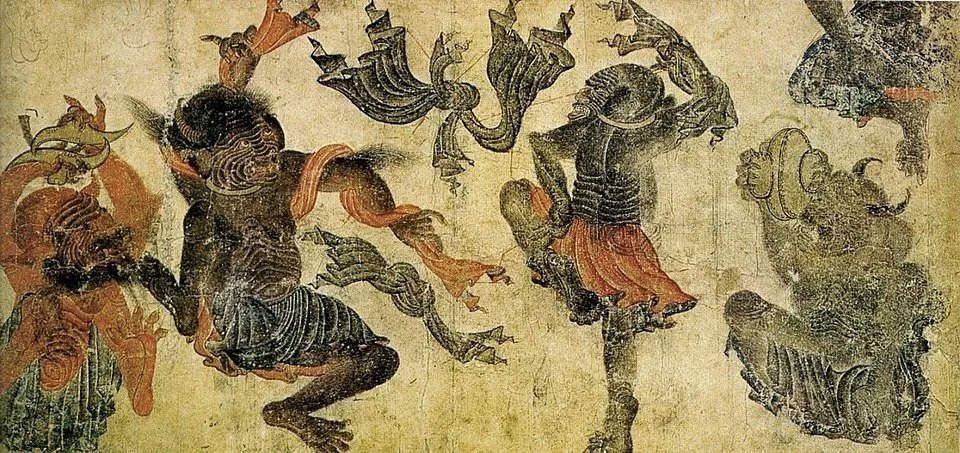
Artwork, Mehmet Siyah Qalem
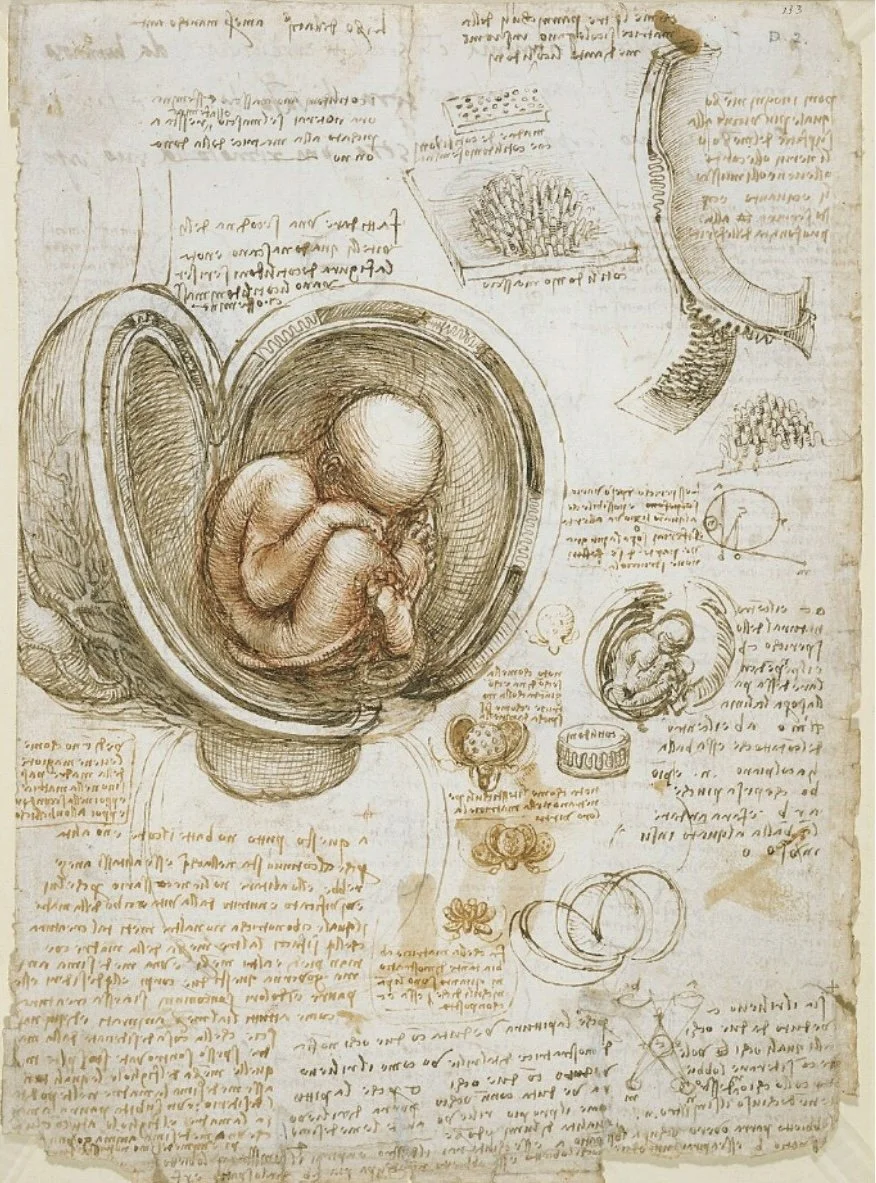
Anatomy, Leonardo da Vinci
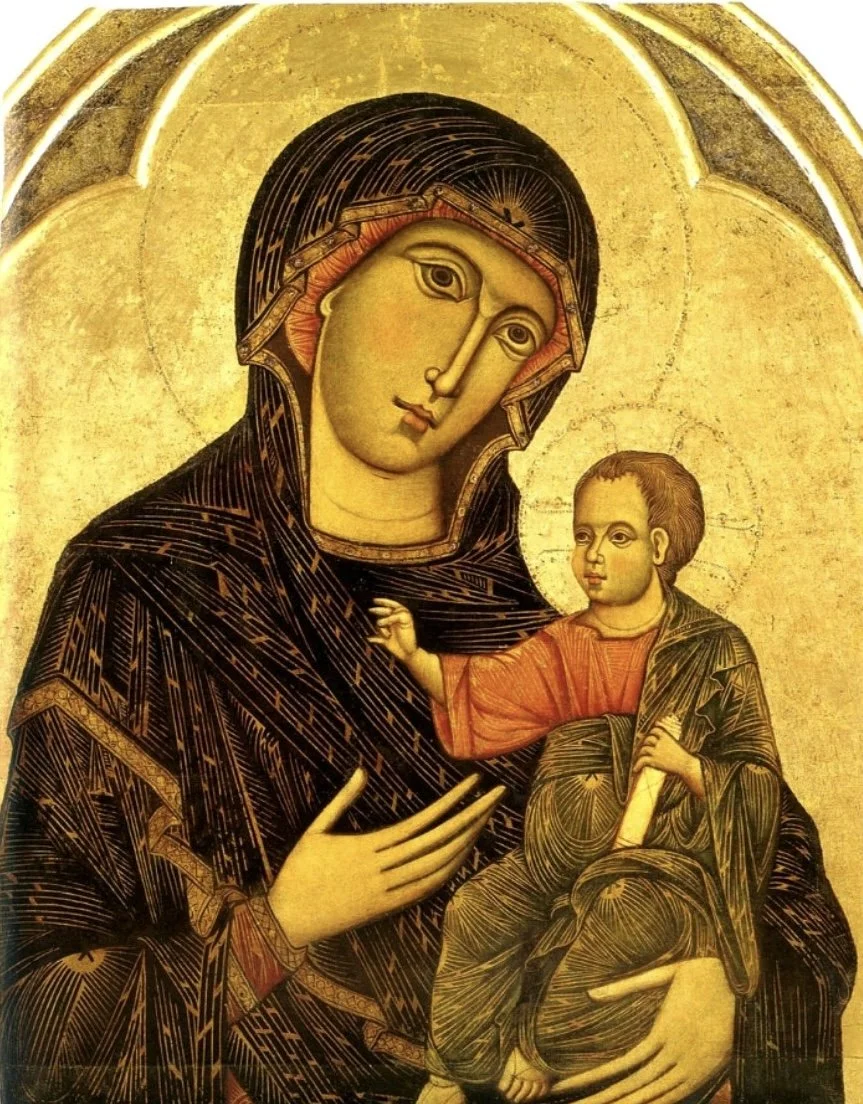
Byzantine icon
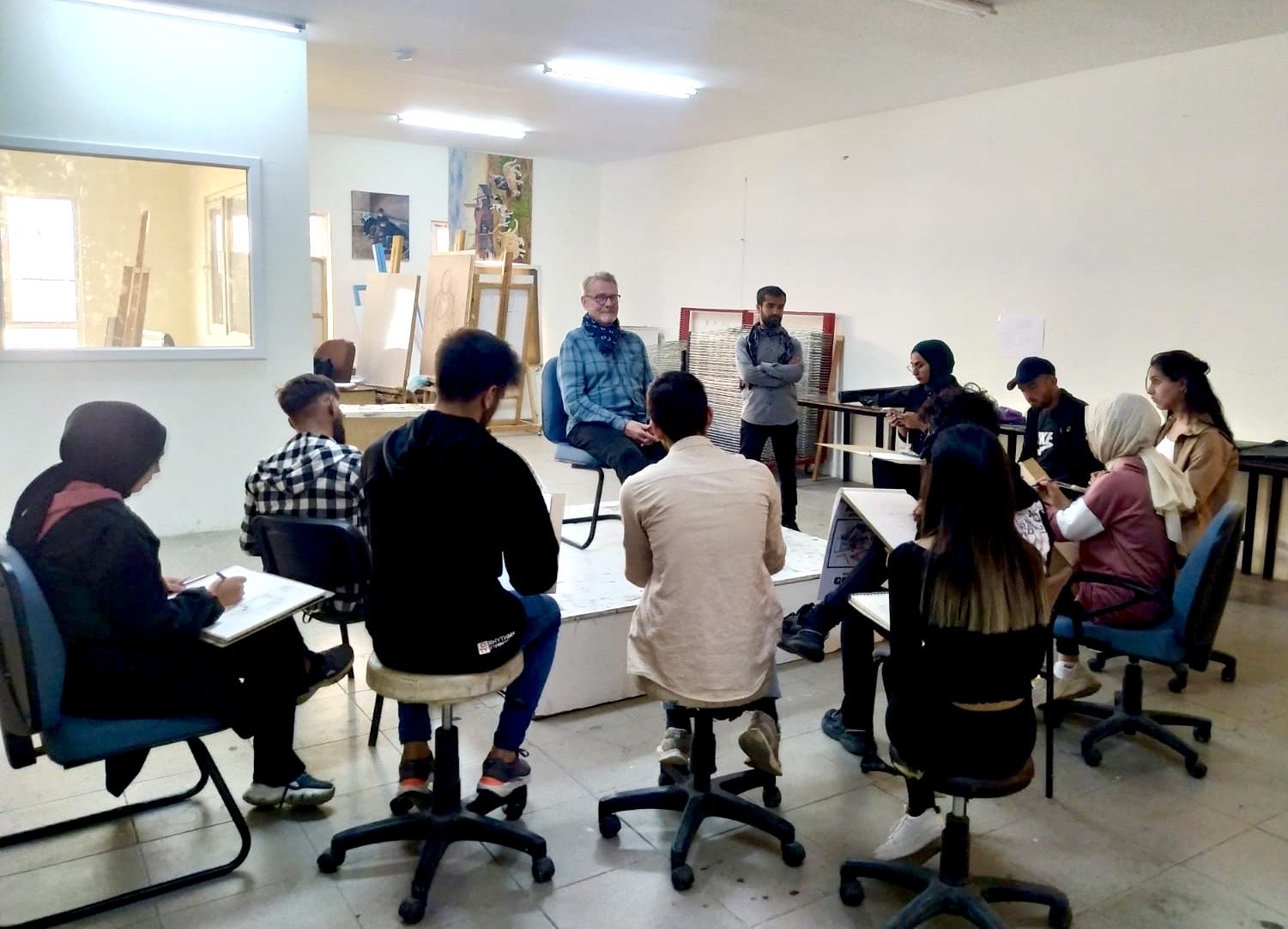
Impromptu modeling for Orhan’s art students